
by | Sep 21, 2026 | Uncategorized
Scan what you need to access again, keep for legal reasons, or reference often; shred what has passed its retention date or carries sensitive data you no longer need. In most cases, the right approach is both: scan first for a digital record, and then shred the paper... 
by | Sep 20, 2026 | Uncategorized
For most drives still holding data, the safe route is certified erasure to NIST SP 800‑88 or NCSC guidance if the device will be reused, and physical shredding if it won’t. Either way, UK GDPR and the WEEE Regulations mean you need auditable proof, not just a bin. A... 
by | Sep 19, 2026 | Uncategorized
Under UK GDPR, employers stay responsible for secure disposal of personal data no matter where staff work from. That means providing or enabling certified destruction, whether through scheduled collection, mail-back or drop-off, and keeping certificates of destruction... 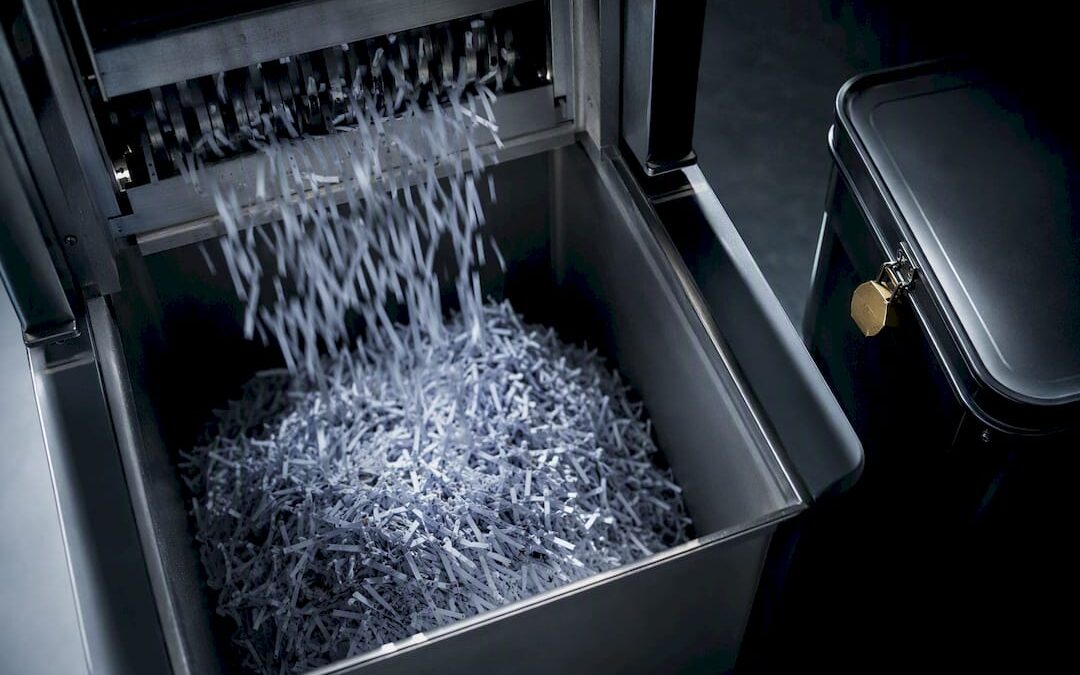
by | Sep 18, 2026 | Uncategorized
A confidential waste policy in the UK must guarantee that personal and sensitive data is destroyed securely at the end of its life, in line with UK GDPR, the Data Protection Act 2018, and the Section 34 waste duty of care. Before anything goes near a shredder, check... 
by | Sep 17, 2026 | Uncategorized
For legal files in the UK, the safe default is auditable destruction unless a retention duty applies. Before anything goes near a shredder, check your retention schedule and confirm there’s no live litigation, FOI request, or GDPR subject access request attached to... 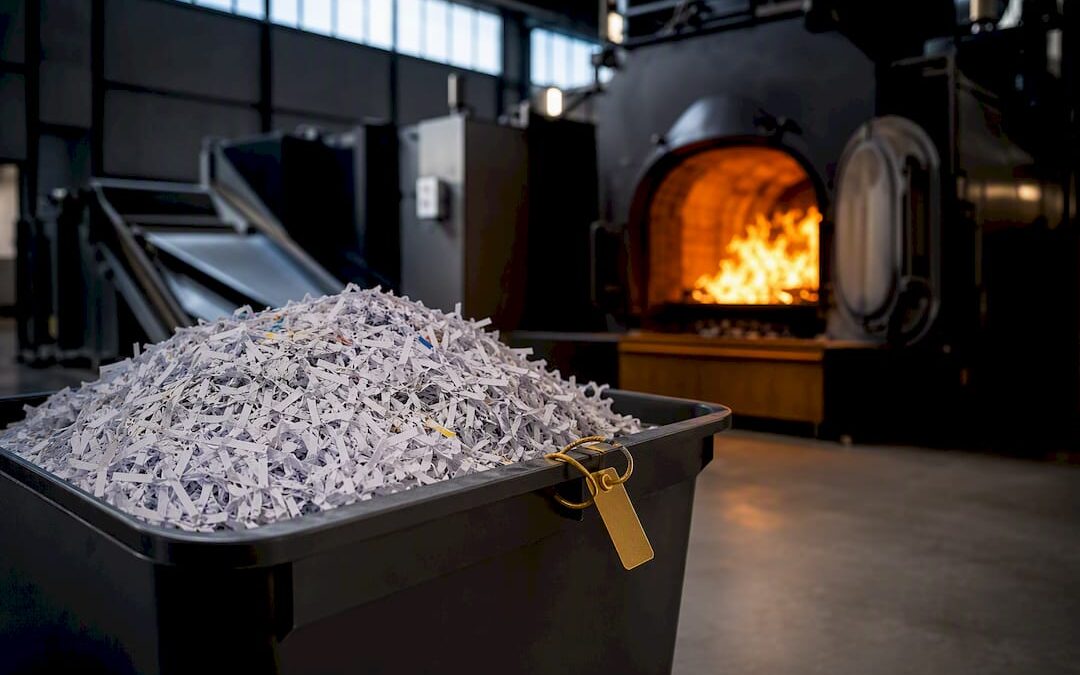
by | Sep 16, 2026 | Uncategorized
Certified shredding is the safer, auditable default for destroying sensitive paper, giving you a verifiable chain of custody that backyard burning simply cannot match. Industrial incineration only reaches equivalent security when it runs through a licensed...